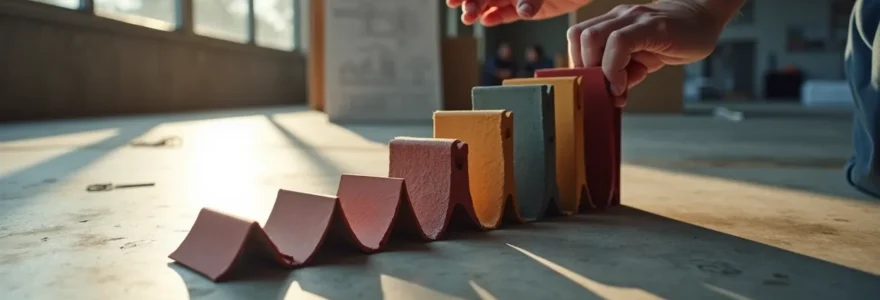
The difference between a roof that performs for decades and one requiring premature replacement often traces back to supply selection decisions made months before installation begins. These choices ripple through every subsequent phase of construction, determining not just material quality but installation efficiency, system compatibility, and long-term cost trajectories.
Unlike isolated purchasing errors, roofing supply mistakes compound across interconnected decisions—from initial sequencing through documentation—creating cascading consequences that appear weeks or months after selection. When selecting roofing supplies for residential or commercial projects, professionals face a web of dependencies where choosing the right product at the wrong stage locks them into suboptimal choices downstream. This decision chain explains why two projects using identical materials can yield vastly different performance outcomes.
The supply selection process contains five critical vulnerability points where common mistakes transform into systemic problems: decision sequencing, component compatibility, cost multiplication, supply chain timing, and documentation practices. Each dimension amplifies or mitigates errors made in previous stages, creating either protective redundancy or compounding failure.
Roofing Supply Selection in 5 Critical Dimensions
- Master decision sequencing to prevent downstream compromises in material compatibility
- Validate system-level interactions beyond individual component specifications
- Calculate total ownership costs including installation efficiency and replacement cycles
- Plan procurement timing around extended lead times and storage degradation risks
- Document every selection decision to preserve warranty enforceability
Sequencing Errors That Compound Throughout Your Project
The chronological order of supply decisions matters as much as the decisions themselves. Selecting fasteners before understanding substrate conditions forces compromises in membrane selection that cascade through the entire roofing system. This sequencing problem creates a domino effect where early commitments eliminate options that would have been optimal if the decision framework had been reversed.
Construction projects face significant vulnerabilities at this foundational stage. Research shows that over 40% of construction projects experience delays due to supply chain bottlenecks, many of which stem from selection sequences that prioritize individual components over system architecture. When professionals choose specific products before establishing the overall roofing system design, they inadvertently lock themselves into compatibility constraints that restrict all subsequent choices.
The most critical sequencing error involves reversing system architecture and component selection. Most projects begin by selecting individual materials—shingles, underlayment, or ventilation products—before defining how these elements will function as an integrated system. This backwards approach means that by the time professionals consider system-level requirements like thermal performance or moisture management, their earlier component choices have already eliminated the most effective solutions.
| Decision Stage | Early Commitment Impact | Flexibility Preserved |
|---|---|---|
| Substrate Selection | Locks in installation methods and maintenance requirements | Allows material adaptation |
| Ventilation Design | Restricts insulation choices | Enables optimal airflow design |
| Fastener Type | Standing seam systems allow thermal expansion flexibility | Multiple attachment options remain |
Committing to a ventilation approach too early restricts insulation and underlayment options in ways that compromise both energy efficiency and moisture control. The ventilation strategy should emerge from climate analysis and building envelope requirements, not from early product availability or supplier relationships. When ventilation decisions precede thermal performance analysis, projects often end up with adequate airflow but suboptimal insulation values—or vice versa.
Effective sequencing requires establishing decision checkpoints where certain selections must be finalized before others can be properly evaluated. The optimal sequence mirrors the hierarchical dependencies within the roofing system itself, moving from foundational choices that constrain later options toward finishing selections that adapt to the established framework.
Optimal Material Selection Sequence
- Step 1: Determine desired roof lifespan and select durable materials matching that lifespan requirement
- Step 2: Evaluate durability, cost, and maintenance requirements before consulting with professional contractors
- Step 3: Review manufacturer warranties covering defects and installation issues, ensuring duration aligns with expectations
- Step 4: Consider curb appeal and how materials complement architectural style and color scheme
System Incompatibility Mistakes Hiding in Plain Sight
Individual component specifications rarely reveal the interaction failures that emerge when materials combine in real-world conditions. A membrane rated for specific temperature ranges and an adhesive certified for the same climate zone can still experience chemical incompatibility that causes delamination within five years. These system-level failures hide in the gap between component datasheets and integrated performance.
Thermal expansion represents one of the most overlooked compatibility challenges. Different roofing materials expand and contract at different rates when exposed to temperature fluctuations, creating stress concentrations at connection points that specification sheets don’t address. Metal panels might expand three times more than adjacent composite materials, generating forces that pull apart fasteners or crack rigid connections over repeated thermal cycles.

Understanding these material interfaces requires examining not just expansion coefficients but how fastening systems accommodate differential movement. The visible gaps between materials in properly designed systems aren’t installation errors—they’re engineered tolerance zones that prevent stress accumulation. When incompatible materials meet without adequate expansion provision, the resulting failures often don’t manifest until years after installation, well past the point where selection errors can be easily corrected.
Exposed fastener metal roofs put pressure on panels during thermal expansion, requiring screw replacement every 5-10 years, while standing seam systems use clips allowing panels to glide during expansion—a critical compatibility consideration for residential applications
– Bill Ragan Roofing, Top Types of Roofing Materials
Adhesive-membrane chemistry conflicts represent another hidden incompatibility zone. Solvent-based adhesives can degrade certain synthetic membranes over time, while water-based alternatives may not achieve adequate bond strength in specific temperature ranges. Manufacturers rarely advertise these interaction limitations, instead providing compatibility charts that focus on their own product ecosystems while offering vague guidance about third-party materials.
The construction industry’s limited adoption of real-time project data compounds these compatibility challenges. According to industry analysis, only 15% of construction companies have full real-time data capabilities, meaning most projects lack the information systems needed to track complex material interactions across multi-phase installations. This data gap makes it nearly impossible to identify emerging compatibility issues before they escalate into system failures.
Ventilation-to-insulation ratios create performance traps where quality products combine to produce moisture problems. Insufficient ventilation for a given insulation R-value turns the roofing system into a condensation generator, regardless of how premium the individual components might be. The myth of universal compatibility in roofing accessories—particularly in flashing, ventilation boots, and penetration seals—leads to mix-and-match approaches that void warranties and create leak pathways at system transitions.
| Material Type | Lifespan (Years) | Temperature Resistance |
|---|---|---|
| Asphalt Shingles | 20-30 | Moderate |
| Metal Roofing | 40-70 | High |
| Slate | 50+ | Excellent for temperature fluctuations |
The Hidden Cost Multipliers in Your Supply Decisions
Sticker price comparisons mask the true cost differentials between roofing supplies. A material that costs 15% less per square foot but requires 30% more installation labor delivers negative savings before accounting for lifecycle performance. These installation efficiency differentials rarely appear in procurement analysis, yet they determine whether budget-conscious selections actually reduce or multiply total project costs.
The national average roof replacement cost is around $9,117, but this figure obscures the cost distribution between materials and labor that drives real project economics. Understanding this breakdown reveals where supply decisions create the largest cost leverage—and where apparent savings evaporate under scrutiny.
| Cost Component | Percentage | Variable Range |
|---|---|---|
| Materials | 40% | $2,300-$5,000 |
| Labor | 60% | $1.50-$7 per sq ft |
| Total Range | 100% | $5,755 to $12,498 |
The 60% labor allocation means that material choices affecting installation speed have disproportionate cost impact. Supplies requiring specialized tools, complex cutting patterns, or additional safety measures can double labor hours even when material costs remain identical to simpler alternatives. When contractors lack input during supply selection, these installation complications often remain invisible until crews encounter them on site, by which point budget overruns become inevitable.
Replacement cost multipliers extend the true cost calculation across decades rather than just the initial installation. Budget materials failing at year seven instead of year fifteen don’t just require earlier replacement—they necessitate removal of the failed system, potential substrate repairs from water infiltration, and disruption costs from secondary damage. Calculating this replacement multiplier often reveals that premium materials with 40% higher initial costs deliver 200% better value over a typical building ownership period.
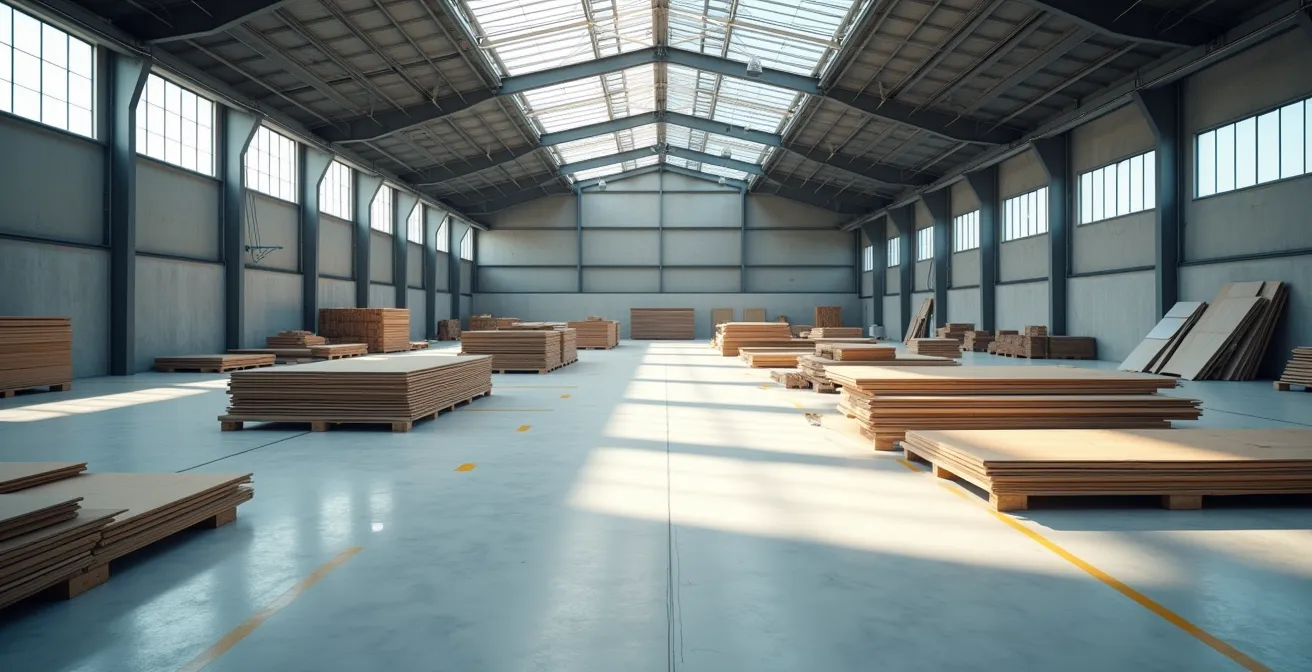
Organized material staging and systematic workflow design minimize labor waste while reducing damage risk during installation. The workspace efficiency visible in professional operations reflects supply selection decisions made weeks earlier—choosing materials with packaging that facilitates safe storage, dimensions that minimize cutting waste, and installation sequences that allow continuous crew productivity. These operational factors, closely related to choosing construction materials for other building systems, rarely influence supply selection despite their substantial cost impact.
Inadequate ventilation compromises roof energy efficiency and lifespan by trapping heat and moisture. Cool roofs help by reflecting sunlight and reducing heat absorption by over 50°F, but still need proper ventilation
– US Department of Energy, North Penn Now
Warranty claim rejection costs represent perhaps the most insidious cost multiplier. Supply chain decisions lacking proper documentation void manufacturer warranties regardless of material quality or installation workmanship. When a roof fails at year eight and warranty coverage would have provided $15,000 in replacement value, the documentation gap transforms a covered repair into a complete owner expense—multiplying the original supply selection error into a five-figure liability.
Supply Chain Blind Spots That Derail Timelines
Perfect material selections fail when procurement timing and logistics transform quality products into project liabilities. Lead time miscalculations force mid-project substitutions that compromise system integrity, while storage condition errors degrade premium materials before installation begins. The temporal and logistical dimensions of supply selection create vulnerabilities that specification-focused approaches completely miss.
Seasonal procurement windows introduce quality variability that most buyers never consider. Ordering materials during peak construction season doesn’t just mean longer waits—it often means receiving inferior production batches as manufacturers prioritize volume over quality control. Current industry conditions have dramatically extended these constraints, as bar joists for roof framing have lead times of 10 to 14 months, making procurement timing as critical as material selection itself.
| Material Type | Current Lead Time | Pre-2020 Lead Time |
|---|---|---|
| Key Roofing Materials | 6+ months | 2-4 weeks |
| Large Orders | Up to 12 months | 4-6 weeks |
| Specialty Insulation | Most difficult to obtain | 1-2 weeks |
These extended timelines compound the sequencing errors discussed earlier—when a single component faces unexpected delays, it can invalidate the entire material selection strategy if alternatives aren’t compatible with already-procured supplies. The interdependence of roofing system components means that supply chain disruptions affecting one material often force reconsideration of the entire specification.
Roofing projects are highly sensitive to weather conditions, and unexpected weather events can disrupt the supply chain. Hurricanes, snowstorms, and heavy rain can impede the transportation of materials and delay construction projects
– Supply Chain Game Changer, Supply Chain Challenges in the Roofing Industry
The 90-day degradation problem affects materials with shelf-life constraints that suppliers rarely advertise. Certain adhesives, sealants, and composite materials begin losing performance characteristics within three months of manufacture, regardless of storage conditions. When extended lead times mean materials sit in warehouses for weeks before delivery, and then on job sites for additional weeks before installation, the effective performance window may have already partially elapsed before the product ever reaches the roof deck.
Storage condition requirements turn premium materials into defective ones when job site logistics aren’t considered during selection. Materials requiring climate-controlled storage, protection from UV exposure, or specific humidity ranges become liabilities on sites lacking appropriate staging areas. The gap between laboratory performance specifications and real-world job site conditions means that material properties at installation often differ substantially from the certified values that drove selection decisions. Successfully implementing these logistics strategies aligns with broader successful business strategies in construction project management.
Proactive Supply Chain Management Strategies
- Step 1: Evaluate current vendors and consider new options for procurement flexibility
- Step 2: Join purchasing programs to increase purchasing power and secure better pricing
- Step 3: Establish clear communication channels among all parties for visibility and coordination
- Step 4: Evaluate supplier capabilities, reliability and financial stability before commitment
Key Takeaways
- Decision sequencing errors cascade throughout projects, making timing as critical as material quality
- System incompatibilities between quality components cause failures that specification sheets don’t reveal
- True supply costs multiply through installation efficiency, warranty risks, and replacement timing
- Procurement timing and storage conditions transform premium materials into project liabilities
- Documentation gaps during selection void warranties regardless of material or installation quality
Documentation Gaps That Void Your Warranties
The connection between supply selection documentation and warranty enforceability remains invisible until a claim gets rejected. Having a warranty and being able to use it represent entirely different outcomes, separated by documentation practices that must occur during selection rather than after installation. This temporal requirement means that undocumented decisions made months before problems emerge determine financial liability years later when failures occur.
The batch number trap illustrates this documentation vulnerability. Mixing supply lots voids warranties even for identical products from the same manufacturer, yet batch tracking rarely occurs during procurement. Industry data reveals that 70% of roofs being replaced today still have 30% of their usable life left, suggesting that premature failures—many potentially warranty-eligible—cost owners billions in unnecessary replacement expenses when documentation gaps prevent claims.
Installer certification requirements tied to specific supply sources must be verified during selection, not discovered during installation. Many manufacturer warranties require that materials be installed by certified contractors using approved methods with compatible components. When supply selection occurs without verifying these interlocking requirements, projects can inadvertently void warranties before installation begins simply by choosing otherwise-quality products that aren’t part of the installer’s certification scope.
Proof-of-compliance documentation required at selection determines building code warranty validity. Code officials increasingly require traceability documentation showing that selected materials meet specific performance standards, and this evidence must be compiled during procurement. Selecting materials based on outdated technical data invalidates manufacturer warranties when specification sheet version control isn’t maintained, creating a scenario where the installed product differs from the approved specification even though no substitution occurred.
Essential Documentation Checklist
- Track construction industry news and ask wholesalers about price trends to make smarter purchasing decisions
- Build buffer time into schedules and be upfront with clients about potential holdups
- Avoid delays by placing orders early rather than waiting until the last minute
- Maintain familiarity with multiple product lines that can be swapped when materials become scarce
Specification sheet version control creates warranty vulnerabilities when manufacturers update product formulations without changing model numbers. The technical data sheet current at selection may not match the product chemistry of materials delivered months later, yet warranty terms often reference specific performance characteristics that only applied to earlier versions. Without maintaining version-tracked documentation linking purchase orders to specific technical specifications, proving warranty eligibility becomes impossible when the manufacturer claims the installed product differs from warranty terms.
These documentation requirements interconnect with all previous error categories—undocumented sequencing decisions, unverified compatibility testing, informal cost analyses, and untracked procurement timing all compound into warranty vulnerabilities that materialize only when failures occur. The documentation discipline required for warranty protection must therefore span the entire selection process, from initial architectural decisions through final installation verification, creating an evidence chain that validates every choice made along the way.
Frequently Asked Questions on Roofing Supplies
Why are escalation clauses important in roofing contracts?
From contract signing to project start, material pricing can change significantly. Escalation clauses protect construction companies by securing an agreed cost range that accommodates market fluctuations while preventing unlimited price exposure that could make projects financially unviable.
How can contractors protect themselves from supply chain disruptions?
Invest in staffing and tools to create supply-chain plans at project and company levels, and maintain multiple supplier options as backup for capacity or logistical issues. This redundancy enables rapid pivoting when primary sources face delays or shortages.
What is decision sequencing in roofing supply selection?
Decision sequencing refers to the chronological order in which material selections are made, recognizing that early choices constrain later options. Proper sequencing starts with system architecture before individual components, preventing situations where choosing specific products first eliminates optimal solutions for subsequent decisions.
How do I verify material compatibility before purchase?
Request third-party compatibility testing documentation rather than relying solely on manufacturer charts. Verify that thermal expansion rates, chemical interactions, and mechanical attachment methods have been validated for your specific material combination under conditions matching your climate zone and installation timeline.